
Across the United States and around the globe, millions of individuals confront daily struggles in silence. Though prevalence rates soar, too many lives remain untouched by the help they deserve. In this article, we illuminate pathways to care, highlight transformative programs, and offer actionable guidance to ensure that every person can access the support they need.
Understanding the Scope of the Crisis
Current data reveal that roughly one in four American adults experiences a diagnosable mental health condition each year. Globally, over one billion people live with mental disorders, and in the U.S. alone, 42.5 million suffer from anxiety. Youth face unique pressures: half of college students report poor mental health, and signs often emerge by age 14. Yet nearly six in ten people with mental illness receive no care, deepening individual and societal burdens.
The gap between need and service delivery is widening. In designated shortage areas, 65% of nonmetropolitan counties lack psychiatrists, and appointment wait times stretch from weeks to months. Meanwhile, untreated mental illness costs the economy more than $190 billion in lost earnings annually. These statistics underscore the urgency of transforming access into action.
Barriers to Accessing Care
Stigma persists as a powerful deterrent. Many fear judgment or discrimination, preventing them from seeking help. Geographic isolation compounds the issue; rural residents often travel hours for an appointment. Financial obstacles loom large as well, with high co-pays, deductibles, and limited insurance coverage creating unmet treatment needs. Language and cultural gaps further marginalize vulnerable communities.
- Deep-rooted stigma surrounding mental health
- Severe provider shortages in rural areas
- High out-of-pocket costs and insurance gaps
- Cultural and linguistic barriers to care
Confronting these obstacles requires a multifaceted approach, blending policy reform with community engagement and innovative technologies.
Innovative Solutions and Programs
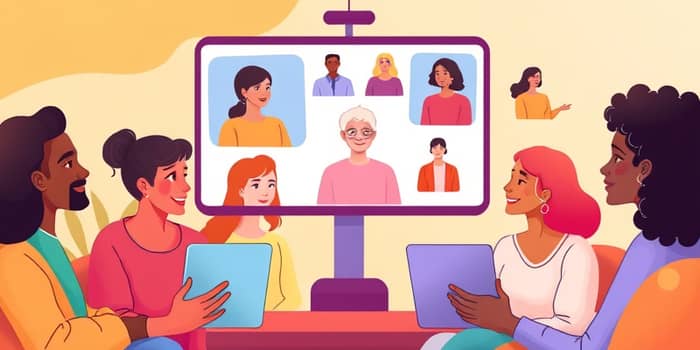
Tele-mental health has emerged as one of the most promising avenues. Platforms offer therapy sessions for as little as $21 with insurance, or even free under certain plans. Virtual care bridges long distances and expands comprehensive support systems for those in underserved regions. Colleges, too, are harnessing telehealth, with 71% of students indicating they would use online counseling services if available.
Collaborative care integrates behavioral health into primary care settings, leading to better medication adherence and improved outcomes. Resilience-building initiatives in schools and workplaces cultivate coping skills before crises emerge. Peer support networks and community-based organizations deliver emotional and practical support, reinforcing traditional treatment pathways.
Building Resilience and Prevention
Prevention is as vital as treatment. Schools are increasingly adopting digital self-check tools, enabling early screenings that can catch warning signs in adolescents. Employers integrate resilience workshops and mental wellness days, fostering cultures where self-care is valued. Faith-based organizations and community centers host stress-management classes and mindfulness sessions, equipping individuals with lifelong skills.
By embedding mental health awareness into daily life—through resilience curricula, mobile apps for stress management, and peer-led support groups—we can cultivate a generation empowered to recognize concerns and take proactive steps before conditions worsen.
Taking Action: Steps to Access Support
Empowerment begins with information and intentional effort. Whether you’re seeking help for yourself, a friend, or a family member, these steps can guide you through the process:
- Research local and telehealth options to find the right fit
- Engage with community and campus support groups
- Advocate for policy changes at the state and federal levels
- Prioritize daily self-care routines and resilience practices
Remember that asking for help is a mark of strength. Connect with trusted professionals, leverage digital resources, and share your story to dismantle stigma. Each small action contributes to a collective movement toward sustainable mental wellness for all.
Conclusion
Accessing mental health services should never feel out of reach. By understanding the landscape of this crisis, acknowledging barriers, and embracing innovative programs, we can pave a path toward healing and resilience. Policymakers, providers, community leaders, and individuals all bear responsibility. Together, we can ensure that no one faces their struggles in isolation and that every person finds the support they deserve.
References
- https://www.thezebra.com/resources/research/mental-health-statistics/
- https://www.healingpsychiatryflorida.com/blogs/mental-health-provider-shortage-statistics-2026-report/
- https://growtherapy.com/blog/mental-health-trends/
- https://www.favormentalhealthservices.com/post/mental-health-statistics-2026-what-the-data-tells-us-about-our-new-normal
- https://updates.apaservices.org/new-policies-affecting-access-to-mental-health-care
- https://patagoniahealth.com/blog/behavioral-health-trends
- https://www.ncbi.nlm.nih.gov/books/NBK609444/
- https://www.psychiatry.org/news-room/news-releases/more-americans-plan-mental-health-resolutions-2026
- https://mhanational.org/the-state-of-mental-health-in-america/
- https://jedfoundation.org/anticipated-youth-mental-health-trends-in-2026/
- https://www.beckersbehavioralhealth.com/behavioral-health/10-trends-transforming-behavioral-health-in-2026/
- https://skywaybehavioralhealth.com/the-biggest-mental-health-treatment-trends-in-2026-and-what-they-mean-for-clients/