
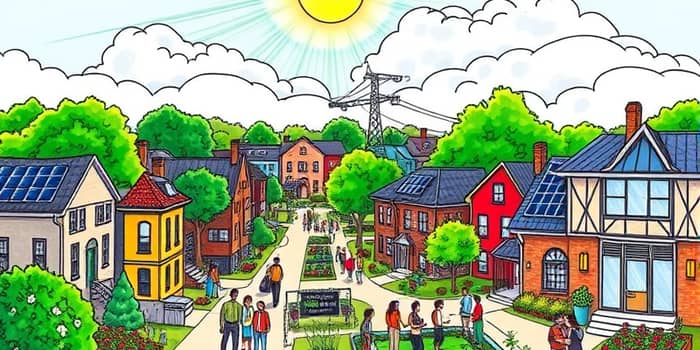
The Community Development Block Grant (CDBG) program has been a catalyst for transformation in communities across the nation, providing critical resources to uplift neighborhoods and empower residents.
Origins and Evolution of CDBG
Established under Title 1 of the Housing and Community Development Act of 1974, the CDBG program consolidated seven categorical grants into a single block grant. Launched as part of President Nixon’s New Federalism, it aimed to decentralize decisions to local governments, giving communities autonomy over their development priorities.
Over more than five decades, CDBG has been investing $144 billion nationwide since 1974, funding projects from affordable housing to anti-poverty initiatives. Its enduring legacy reflects the flexibility and trust placed in local leaders to address unique challenges.
From its inception, CDBG’s flexibility distinguished it from previous programs. By reducing federal oversight and allowing tailored solutions, it became a cornerstone of community-driven revitalization.
Objectives and National Goals
The CDBG program is governed by three overarching objectives outlined in Section 104(b)(2):
- Benefit low- or moderate-income families—at least 70% of funds must serve persons earning below 80% of area median income.
- Assist in preventing or eliminating slums and blight through targeted rehabilitation and demolition efforts.
- Address urgent community development needs posing immediate threats to public health or safety.
These objectives ensure that every dollar spent under CDBG maximizes impact for those who need it most, while empowering communities to tackle local priorities.
Funding Mechanisms and Allocation
CDBG funds are distributed through two major channels: entitlement and non-entitlement jurisdictions. Entitlement communities—central cities with populations over 50,000 and counties over 200,000—receive formula-based grants annually. States distribute 30% of funds to small towns and rural areas, ensuring inclusive access for communities of all sizes.
Grantees must submit quarterly performance reports to HUD, demonstrating compliance and impact. This transparent process promotes accountability while preserving local planning and decision-making authority.
Over 1,200 city and county governments currently leverage CDBG to finance critical infrastructure, housing, and social service projects tailored to their specific needs.
Eligible Activities and Local Impact
CDBG funds support a wide spectrum of activities, as long as they meet at least one national objective. Eligible categories include:
These activities collectively promote broad community development outcomes, from safer streets to thriving local economies.
Case Studies: Transforming Communities
Across the country, diverse case studies illustrate CDBG’s transformative power:
- Conroe, TX: A $1.2 million investment reconstructed 79 LMI homes, sparking new street lighting and a community center.
- New Bedford, MA: A $10 million allocation in 1975 fueled concentrated neighborhood revitalization, laying groundwork for ongoing growth.
- Somerton, AZ: CDBG funds combined with incentives enabled solar installations for a municipal water plant, reducing costs and enhancing sustainability.
Further successes in Detroit, San Francisco, Asheville, and Quincy demonstrate the program’s adaptability across urban and rural landscapes.
Maximizing CDBG Benefits: Best Practices and Tips
Local leaders and practitioners can enhance program impact by following proven strategies:
- Engage residents early through workshops and surveys to align projects with community aspirations.
- Leverage public-private partnerships to multiply resources and share expertise.
- Prioritize comprehensive planning to integrate housing, infrastructure, and economic development efforts.
- Utilize technical assistance and capacity building to strengthen local implementation and long-term sustainability.
By adopting these approaches, grantees can ensure that each project not only meets compliance requirements but also fosters resilience and equity.
Looking Ahead: The Future of Community Development
As communities navigate evolving challenges—climate resilience, economic uncertainty, and social equity—CDBG remains a vital tool. Its flexible structure and local focus allow jurisdictions to adapt quickly, whether addressing urgent health crises or planning large-scale revitalization.
Emerging priorities include green infrastructure, digital equity, and workforce development tailored to the 21st century economy. By continuing to innovate within the CDBG framework, communities can build sustainable futures for all residents.
Ultimately, the Community Development Block Grant program exemplifies the power of collaboration between federal, state, and local partners. It underscores the belief that when communities lead their own revitalization, they unlock the full potential of every neighborhood.
Harness the CDBG advantage today—partner with stakeholders, harness data-driven planning, and invest in projects that uplift your community. The blueprint for positive change lies within reach; local revitalization begins with vision, commitment, and strategic use of block grant resources.
References
- https://federalism.org/encyclopedia/no-topic/community-development-block-grants/
- https://en.wikipedia.org/wiki/Community_Development_Block_Grant
- https://www.mohave.gov/departments/community-services/housing-community-revitalization-division/additional-grants-and-programs/community-development-block-grants-cdbg/
- https://www.hud.gov/hud-partners/community-cdbg
- https://www.youtube.com/watch?v=DlIGkM6Qu70
- https://www.ehousingplus.com/how-community-development-block-grants-cdbg-support-affordable-housing-initiatives/
- https://www.brownsvilletx.gov/405/Frequently-Asked-Questions
- https://www.youtube.com/watch?v=xK-fmR4TSBo
- https://www.urban.org/projects/understanding-community-development-block-grant-cdbg-programs-impacts-and-policy-design
- https://www.eastvaleca.gov/community/community-development-block-grants
- https://dca.georgia.gov/financing-tools/infrastructure/community-development-block-grants-cdbg
- https://www.hudexchange.info/programs/cdbg/cdbg-ta-products/neighborhood-revitalization/