
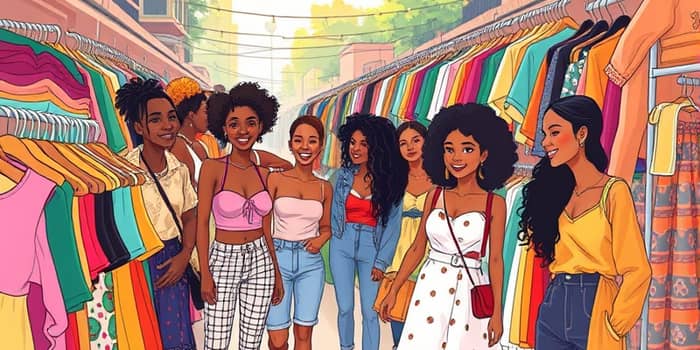
From bustling vintage shops to curated online platforms, the global secondhand apparel market is booming, driven by Gen Z and Millennials chasing sustainable style. What was once a niche pastime has become a mainstream strategy to blend affordability, creativity, and environmental responsibility.
In this comprehensive guide, we unravel the statistics, highlight the benefits, and share practical tips to elevate your thrifting game. Embrace the thrill of discovery and learn how to make every purchase count.
Why Secondhand Shopping Matters
More than a passing trend, secondhand shopping is a response to rising garment waste and escalating production costs. In 2026, the global secondhand apparel market is forecast at USD 53.7 billion, projected to reach USD 154.3 billion by 2036 at a CAGR of 11.1%. These figures reflect consumers’ hunger for unique and budget-friendly fashion finds.
Beyond style and savings, this movement is a cultural shift. Nearly 59% of consumers plan to purchase used items in 2026, with young shoppers in India, the UK, and Japan leading regional growth. This shift underscores a growing desire to buy consciously and reduce needless waste.
Unveiling the Environmental Impact
Every secondhand garment purchased carries an environmental win. Studies show buying used instead of new can reduce carbon emissions by up to 42% and cut water use by up to 53%, saving billions of gallons annually.
In the United States alone, over 20 billion pounds of textiles end up in landfills each year. Choosing pre-loved pieces diverts clothing from disposal, conserves resources, and interrupts the cycle of fast fashion’s 2.5–5 billion surplus garments produced in 2023.
The Economic Power of Thrifting
Secondhand shopping isn’t just eco-friendly—it’s financially savvy. A single currency stretch can yield multiple style innovations. Premium resale markets, such as Japan’s luxury thrift scene, demonstrate how high-quality items can be acquired for a fraction of original prices.
Comparison data reveals that the broader secondhand product market will grow from USD 475.19 billion in 2025 to USD 535.03 billion in 2026 at a CAGR of 12.6%. This surge underscores consumers’ appetite for both affordability and conscious consumption.
Navigating the Thrift Market: Practical Tips
Even seasoned thrifters can benefit from strategic planning. Follow these guidelines to maximize value and style:
- Research Reliable Sellers: Seek platforms with clear authentication and return policies.
- Inspect Garments Carefully: Check seams, zippers, and fabric condition under good lighting.
- Define Your Style Goals: Create a wish list of items to avoid impulse buys.
- Master the Art of Timing: Shop new arrivals on digital marketplaces early in the week.
- Use Technology to Your Advantage: Leverage AI-driven price alerts and sorting tools.
These tactics help you avoid common pitfalls and discover hidden gems that align with your wardrobe goals.
Challenges and Nuances
While thrifting offers immense advantages, there are complexities to consider. Frequent buyers may paradoxically shop new alongside used, potentially offsetting environmental gains. Logistics and processing costs for used items remain high, and the unit economics can be challenging for resale platforms.
Furthermore, shorter assumed lifetimes for secondhand goods can understate their benefits. Even conservative estimates reveal reuse and recycling reduce lifecycle impacts by 26–53% compared to new production.
Future Trends and Opportunities
The secondhand market is poised for innovation. Key drivers include circular fashion adoption, peer-to-peer commerce, and digital authentication. Emerging trends like blockchain verification and loyalty trade-in programs will deepen consumer trust.
Brands are exploring Resale-as-a-Service (RaaS) and reverse logistics partnerships, while AI-powered sorting and pricing accelerate operations. These advancements promise to streamline costs and broaden access.
Regional growth varies, with India leading at a 14.0% CAGR through 2036, followed by the UK at 9.3% and Japan at 7.6%. Mature markets like the US and China continue expanding, albeit at slower rates, reflecting differing consumer dynamics.
Embracing a Circular Fashion Mindset
At its heart, thrifting is more than transactions—it’s a philosophy. It fosters appreciation for craftsmanship, celebrates individual expression, and challenges throwaway culture.
By integrating pre-loved pieces into our wardrobes, we contribute to a system where longevity, reuse, and creativity are paramount. Every carefully chosen garment becomes a statement of values, reducing pressure on scarce resources and making sustainability tangible.
As the secondhand apparel market accelerates toward USD 154.3 billion by 2036, your next thrift find can be a catalyst for change. Embrace the journey, refine your approach, and savor the treasures for less—because each choice we make today fashions a more resilient tomorrow.
References
- https://www.morningstar.com/news/accesswire/1138013msn/secondhand-apparel-market-forecast-2026-2036-market-to-reach-usd-1543-billion-by-2036-at-111-cagr
- https://www.thebusinessresearchcompany.com/report/second-hand-product-global-market-report
- https://www.fbwc.org/blog/5-environmental-impacts-of-thrift-shopping
- https://www.insightaceanalytic.com/report/second-hand-products-market/3429
- https://thrivabilitymatters.org/why-thrifting-is-good-for-the-environment/
- https://www.businessoffashion.com/articles/retail/the-state-of-fashion-2026-report-resale-secondhand-fashion/
- https://www.goodwill.org/blog/shop/three-reasons-why-thrifting-is-better-for-the-environment/
- https://www.goodwillgreatermc.org/our-mission/latest-info/blog-detail/blog/2024/07/18/how-shopping-secondhand-helps-the-environment
- https://news.yale.edu/2025/12/08/second-thoughts-secondhand-why-resale-market-expanding-fashions-carbon-footprint
- https://www.biologicaldiversity.org/programs/population_and_sustainability/sustainability/secondhand_101
- https://www.retaildive.com/news/secondhand-clothes-sustainable-environmental-impact-resale/647428/