
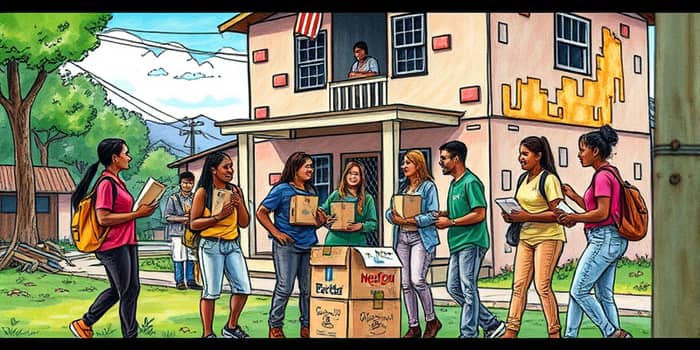
In the face of natural disasters, economic downturns, or unexpected emergencies, the stability of individuals and communities can be shattered in an instant. Emergency relief funds exist to bridge the gap between disaster and recovery, offering hope and resources precisely when they are needed most. By understanding how these funds operate and learning practical ways to build and support them, every person and organization can play a role in strengthening resilience against future crises.
Understanding Emergency Relief Funds
Emergency relief funds are financial reserves allocated to respond to sudden, often catastrophic events. From floods and hurricanes to economic shocks and public health crises, these funds provide a critical lifeline for communities by addressing both immediate and long-term needs. Their core purpose is to prevent families and organizations from falling into cycles of debt or despair, ensuring that basic needs such as food, shelter, and medical care remain accessible.
Types of Emergency Relief Funds
There are several categories of emergency relief funds, each designed to address different needs during a crisis. Understanding these distinctions can help individuals, organizations, and governments make informed decisions when preparing for or responding to disasters.
- Individual/Personal Funds: Cash reserves set aside by individuals for unplanned expenses like home repairs or medical bills.
- Organizational Disaster Relief Funds: Tax-exempt nonprofits under IRC 501(c)(3) that support victims of catastrophic events.
- Federal Disaster Relief Fund (DRF): Managed by FEMA to provide federal assistance for large-scale emergencies.
- Government Assistance Programs: Initiatives such as housing or food aid for low-income families facing instability.
Key Mechanisms and Functions
Emergency relief funds operate through several vital mechanisms to ensure effective aid distribution. These functions not only provide immediate assistance but also pave the way for sustainable recovery and resilience.
- swift access to financial resources: Funds are kept liquid or in near-cash instruments for quick disbursement.
- prevent taking on high-interest debt: Decision buffering prevents forced sales of assets or loans with steep rates.
- swift debris cleanup and rebuilding: Supports infrastructure restoration and essential services after a disaster.
- objective needs tests ensure fairness: Clear criteria guide the distribution process to those most in need.
Funding Structure and Governance
The Federal Disaster Relief Fund is financed through FEMA’s annual budget appropriations, with unused balances carrying over into subsequent years. Historically, cost-sharing requirements foster shared resilience as Congress authorizes supplemental funding when major crises outpace available resources.
Governance involves multiple tiers: local governments respond first, with state agencies stepping in as needed. A Presidential disaster declaration then unlocks federal aid, and cost-sharing agreements determine expense breakdowns among stakeholders.
Activation and Eligibility
The pathway to accessing federal relief begins at the community level. Local officials deploy emergency services and declare initial needs. If the crisis exceeds local capacity, state authorities may request additional assistance. A Presidential declaration triggers FEMA support for uninsured losses and essential services. Eligible recipients include local governments, tribal organizations, non-profits, and qualifying individuals, each subject to specific criteria that guide fair and transparent distribution.
Building a Personal Emergency Fund
An individual emergency fund can mean the difference between stability and hardship when life takes an unexpected turn. By setting aside reserved cash, you create a buffer that helps you navigate crises without derailing long-term goals. It’s wise to build a robust personal safety net in multiple secure locations:
- Bank or credit union savings accounts for easy access and FDIC insurance.
- Prepaid cards loaded with emergency cash to avoid potential bank delays.
- Physical cash reserves stored safely at home for immediate needs.
Strengthening Community Resilience
Beyond personal and federal preparations, community resilience depends on collaborative initiatives. Investing in public safety enhancements such as fortified shelters, improved drainage systems, and robust communication networks can minimize future damage. Equally crucial is enhancing first responder capabilities by funding training, equipment, and reimbursement programs. Investing in long-term recovery, hazard evaluations, and disaster prevention campaigns fosters a culture of preparedness that benefits everyone.
Taking Action: Practical Steps and Inspiration
Every crisis illuminates both vulnerability and the power of human solidarity. You can take meaningful action today by mobilize your skills and compassion today—volunteer with local relief organizations, advocate for stronger preparedness plans, or contribute to established relief funds. By combining personal foresight with collective effort, we can create a network of support that stands ready to respond, recover, and rebuild when crisis strikes.
Remember, emergency relief funds are more than financial tools; they embody our capacity for empathy and shared responsibility. Whether as an individual saver, a nonprofit leader, or a government official, your participation strengthens the safety net that catches us all in times of need.
References
- https://www.heygotrade.com/en/blog/understanding-emergency-fund
- https://www.pgpf.org/article/what-is-the-disaster-relief-fund/
- https://www.consumerfinance.gov/an-essential-guide-to-building-an-emergency-fund/
- https://berquistrecoveryconsulting.com/from-crisis-to-recovery-the-role-of-emergency-relief-funds-for-public-entities/
- https://usaaef.org/budget-savings/savings/save-for-emergencies/emergency-funds-what-they-are-and-why-they-matter/