
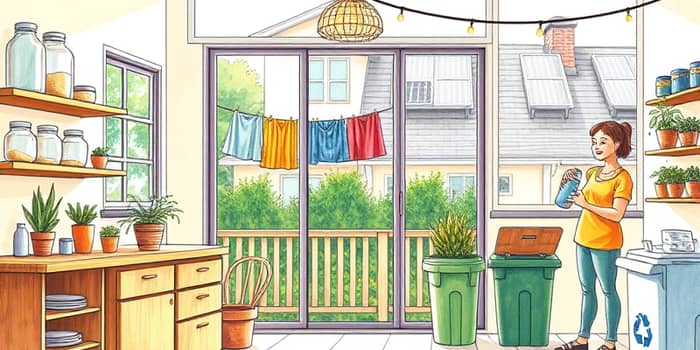
In 2026, sustainable living isn’t just a choice—it’s a necessity. Rising utility costs, stricter regulations, and global ambitions to slash methane and carbon emissions call for immediate action at home.
These practical hacks blend data-driven impact with simple habits that save money, conserve resources, and foster a healthier planet.
Water Conservation Hacks
Americans use an average of 80-100 gallons of water per day, and leaks waste over 90 gallons daily in 10% of households. Tackling this starts with small adjustments.
- Take shorter showers and install low-flow showerheads to retain pressure while cutting usage by up to 30%.
- Turn off the faucet while brushing teeth or shaving, and refill a reusable bottle to avoid running taps.
- Regularly inspect and repair leaks in toilets and pipes to prevent hidden waste of more than 3,000 gallons monthly.
Pair these habits with periodic meter checks to spot surges in usage and maintain consistent savings on your water bill.
Energy Efficiency Upgrades
Household appliances account for 15% of energy use, and choosing ENERGY STAR certified appliances save about $360 over a product’s lifetime. Swapping old models for A+++ rated washers, fridges, and dishwashers is a direct path to lower bills.
Additional strategies include:
- Line-drying or air-drying clothes for half the year, which could cut national residential CO₂ emissions by 3.3%.
- Installing a smart thermostat that learns your schedule and optimizes heating and cooling patterns, reducing energy consumption by up to 10%.
- Switching to LED bulbs, which use up to 75% less energy than incandescent lights and last 25 times longer.
Waste Reduction and Recycling
The US municipal solid waste (MSW) recycling rate hovers around 32–35%, while 50% of waste still heads to landfills. With global MSW generation at 2.01 billion tonnes per year—and projected to reach 3.40 billion by 2050—improving household diversion is critical.
To boost your household recycling rate:
- Sort paper, plastics, and glass according to local guidelines.
- Clean and flatten containers to save space and improve processing efficiency.
- Invest in a kitchen compactor or subscribe to smart compaction services that reduce pickup frequency and landfill contributions.
Food Waste Prevention
Every year, 1.3 billion tonnes of food are wasted globally, with households responsible for 61% of US landfill food waste. A family of four can lose $1,500 annually in spoiled groceries.
Practical steps include:
- Plan meals weekly and create shopping lists to avoid impulse buys and overstocking.
- Store fruits and vegetables properly—use breathable bags, clear bins, and separate ethylene-producing produce to extend freshness.
- Repurpose scraps into stocks, soups, or smoothies and repurpose leftovers into delicious new meals such as stir-fries or frittatas.
Embracing imperfect produce through community-supported agriculture (CSA) boxes also reduces waste at the farm level and supports local growers.
Sustainable Cleaning and Laundry
Traditional cleaning products contain harsh chemicals and non-recyclable packaging. Switching to choose biodegradable and plant-based cleaning agents lowers water contamination and health risks. Look for refill stations or make DIY solutions using vinegar, baking soda, and essential oils.
For laundry:
- Always run full loads and use cold water to cut energy and detergent use by up to 70%.
- Pretreat stains with eco-friendly sprays before low-temperature cycles.
- Use wool dryer balls instead of sheets to reduce static and fluff clothes without chemicals.
Kitchen and Packaging Hacks
- Bring reusable bags and produce pouches to avoid single-use plastic at grocery stores.
- Buy grains, nuts, and spices in bulk and store them in glass jars to minimize packaging waste.
- Use silicone lids and beeswax wraps instead of plastic film for leftover storage.
- Collect and clean jars to reuse as drinking glasses, planters, or pantry containers.
These adjustments not only cut plastic consumption but also cultivate a minimalist, eco-chic kitchen aesthetic.
Upcycling and Home Renovations
Transforming old items into statement pieces gives them new life and keeps materials out of the waste stream. Popular projects for 2026 include:
- Turning wooden pallets into coffee tables or outdoor benches with a fresh coat of eco-friendly paint.
- Reupholstering worn chairs using reclaimed fabrics for a personalized, sustainable flair.
- Building vertical garden walls inside your home or on balconies using recycled plastic bottles.
- Installing reclaimed wood flooring or cork tiles for a warm, durable, and low-VOC finish.
When planning larger renovations, prioritize materials with environmental product declarations (EPDs) and comply with emerging ESG reporting standards for home upgrades.
Conclusion: Embrace the 2026 Momentum
With global waste methane reduction targets rising and zero-waste policies spreading to over 150 countries, your household can lead this shift. Small changes—like fixing leaks, choosing efficient appliances, and upcycling old furniture—add up to significant savings and environmental benefits.
By integrating these hacks, you’ll slash utility bills, minimize waste, and contribute to broader climate goals. Start today and become part of the sustainable living movement shaping a greener future for generations to come.
References
- https://moveforhunger.org/blog/eco-friendly-hacks-happier-planet
- https://wifitalents.com/solid-waste-industry-statistics/
- https://happyhome.clinic/sustainable-home
- https://refed.org/articles/what-s-ahead-our-2026-food-waste-forecast/
- https://www.youtube.com/watch?v=Eyw0Uzg0f4o
- https://orwakbalers.com/orwakblog/2026-waste-management-trends-smart-compaction-solutions/
- https://www.youtube.com/watch?v=O6YbHRpkY1U&vl=ml
- https://www.catf.us/2026/03/three-trends-shaping-waste-sector-methane-mitigation-2026/
- https://www.hangar-12.com/blog/household-cleaning-products-marketing-strategies-for-2026
- https://www.rts.com/blog/recycling-facts-statistics/
- https://www.youtube.com/watch?v=bR75nTqN9v0
- https://www.wastedive.com/news/waste-recycling-trends-outlook-2026/810952/
- https://www.youtube.com/watch?v=Zbspb7Dg3QI
- https://www.worldbank.org/en/publication/what-a-waste
- https://bobbyberk.com/sustainable-hacks-to-reduce-your-impact/