
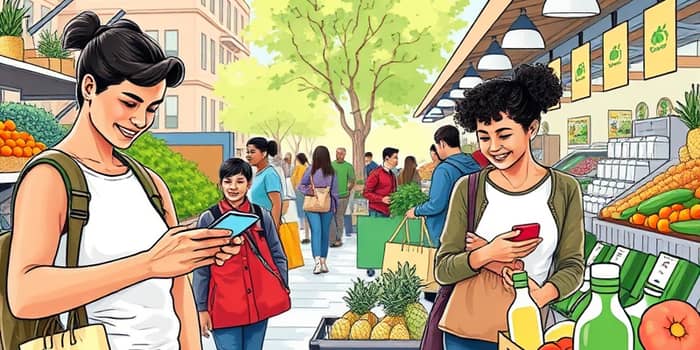
In an era defined by economic pressures, inflationary forces and fragmented shopping behaviors across categories, consumers in 2026 face the dual challenge of meeting their needs while preserving financial health. This guide explores how you can transform your approach to groceries, gas, dining and more by combining budgeting, technology and sustainable choices.
From Gen Z deal hunters to high-income experience seekers, everyone can benefit from a clear plan to prioritize essential spending categories without sacrificing quality or enjoyment. These insights are grounded in the latest data and designed to inspire actionable change.
Understanding Consumer Trends in 2026
Recent studies reveal that U.S. shoppers now make 3.1 grocery store visits per month (up 8% YoY), stop at 2.6 gas stations (up 7%) and visit 4.0 restaurants monthly. Driven by price fatigue, tariffs and soft employment gains, this fragmented shopping landscape highlights the importance of agility and planning.
Despite lingering inflation, overall consumer spending rose 2.7% annualized in 2025 and is projected to grow 2.8% in 2026. High-income households lean into experiences like cruises and events, while lower-income consumers moderate dining and apparel expenses. Understanding these K-shaped dynamics helps tailor strategies to your unique situation.
Budgeting: The Foundation of Smart Spending
By 2026, 53% of U.S. adults maintain a formal budget, up from 46% in 2025. The age group most likely to budget is 35–44 years (58%), while only 43% of those 55+ do so. Whether you’re saving for emergencies or reducing debt, a clear budget is your compass.
Start by categorizing expenses into essentials (groceries, utilities), non-essentials (gas station snacks, impulse buys) and aspirational categories (experiences, wellness). Use digital tools to track progress and set alerts when you approach spending limits.
Remember, a budget isn’t a restriction but a roadmap. It empowers you to reallocate budgets toward rewarding experiences without falling into overspending traps.
Leveraging Technology for Maximum Value
Technology has never been more integral to everyday shopping. With 38% of consumers using AI for research and 49% mixing online and in-store channels, you can harness data and automation to optimize every purchase.
Leveraging AI-driven personalization tools lets you discover tailored deals on groceries and essentials, while price-comparison apps ensure you never overpay. Many retailers offer real-time notifications when your preferred items drop in price, helping you secure the best rates.
Buy-now-pay-later services (BNPL) are used by up to 13% of millennials and 10% of Gen Z for added flexibility at checkout. When applied responsibly, BNPL can smooth out cash flow and allow strategic timing of purchases without accruing high interest.
Practical Strategies for Everyday Purchases
Armed with trends and tools, you can adopt concrete tactics to boost your purchasing power. The following list outlines five key strategies:
- Wait for sales and price drops: 79% of Gen Z shoppers check for discounts before buying.
- Embrace sustainable options: 58% are willing to pay a premium for eco-friendly products.
- Mix channels for best deals: Compare in-store coupons with online promotions in real time.
- Use budgeting apps: Automate expense tracking and set personalized spending goals.
- Prioritize subscription reviews: Cancel underused services to free up funds for essentials.
Additionally, consider these nuanced trade-offs:
- Opt for value-tier “dupes” on everyday items rather than name brands.
- Reduce dining out by cooking at home twice weekly.
- Invest in multi-use clothing and pantry staples that stretch further.
By balancing these adjustments, you maintain quality of life while reducing overall spend. Each small saving compounds into significant monthly relief.
Inspiring Financial Well-Being and Sustainability
Beyond pure savings, smart spending can reflect your values. Up to 60% of urban millennials and Gen Z consumers seek eco-friendly daily essentials. By invest in eco-friendly daily essentials and choosing brands with transparent supply chains, you contribute to wider environmental goals while enjoying durable, high-value products.
Sustainability need not come at the expense of affordability. Look for second-hand marketplaces for clothing, reusable packaging for cleaning supplies and community-supported agriculture shares for fresh produce. These choices reinforce a circular economy and often deliver better taste, quality and community impact.
Conclusion: Building a Resilient Financial Future
In the fluid landscape of 2026, mastering everyday purchases requires a blend of awareness, discipline and innovation. By understanding demographic trends, embracing strategies grounded in data and technology and staying true to your values, you can transform routine spending into an empowering practice.
Start today: draft your budget, explore AI-powered apps and commit to sustainable choices. As you refine your approach, each grocery run, gas stop and dining experience becomes an opportunity to maximize value, nurture well-being and secure your financial future.
Smart spending is more than a tactic—it’s a mindset. Own it, and watch how small changes generate lasting impact.
References
- https://www.salsify.com/blog/data-shows-controls-household-spending-and-budget
- https://www.upside.com/business/retailer-blog/consumer-spending-trends-2026
- https://www.mckinsey.com/industries/consumer-packaged-goods/our-insights/the-state-of-the-us-consumer
- https://yougov.com/en-us/articles/54197-us-consumer-spending-and-budgeting-trends-in-2026
- https://www.gwi.com/blog/consumer-spending-trends
- https://economics.td.com/us-k-shaped-consumer-spending
- https://www.pwc.com/us/en/industries/consumer-markets/library/gen-z-consumer-trends.html
- https://www.privatebank.bankofamerica.com/articles/2026-consumer-outlook.html
- https://www.empower.com/the-currency/money/research-americans-daily-spending
- https://www.deloitte.com/us/en/insights/topics/economy/consumer-pulse/state-of-the-us-consumer.html
- https://www.deloitte.com/us/en/insights/industry/retail-distribution/consumer-behavior-trends-state-of-the-consumer-tracker.html
- https://www.bls.gov/news.release/cpi.nr0.htm
- https://www.bostonfed.org/publications/current-policy-perspectives/2025/why-has-consumer-spending-remained-resilient.aspx
- https://www.gwi.com/blog/baby-boomers-spending-habits
- https://newsroom.bankofamerica.com/content/newsroom/press-releases/2025/07/confronted-with-higher-living-costs--72--of-young-adults-take-ac.html